
On Thursday, 12 February, SUM participated in the RTR Conference as part of Parallel Session 27: Improving Traffic Management, contributing to the discussion on sustainable and data-driven urban mobility.
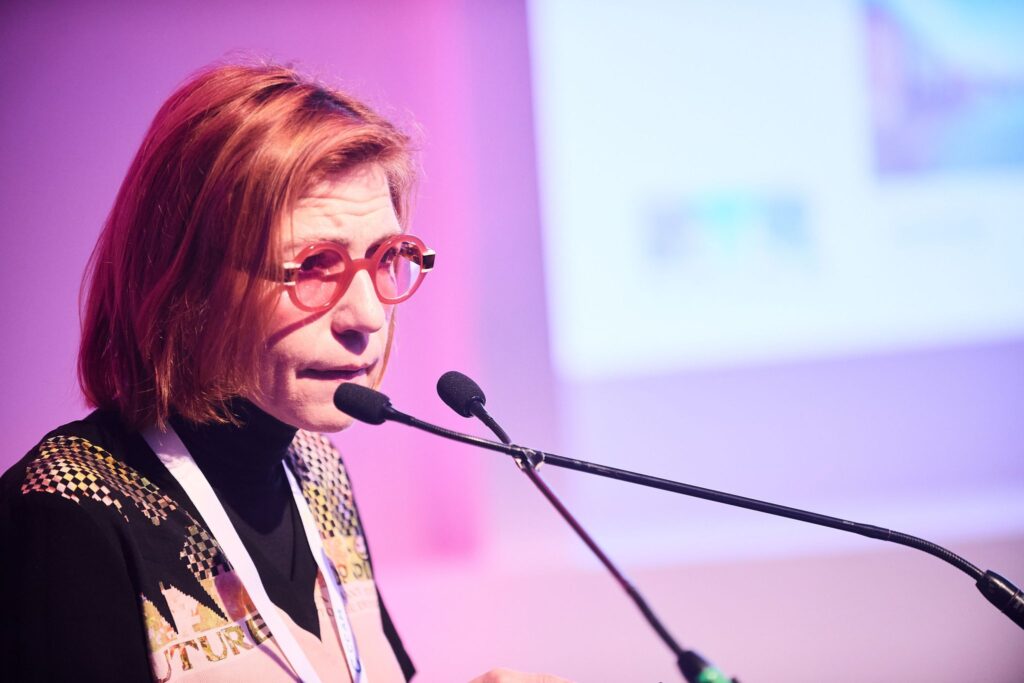
The session brought together projects and experts addressing current challenges in traffic management and mobility planning together with other EU projects like Acumen and SYNCHROMODE. SUM was represented by its Coordinator, Luce Brotcorne (Inria), who presented key insights from the project’s work.
Understanding mobility beyond travel time
RTR Conference is a major European event that brings together EU-funded research projects in road transport, mobility, logistics and traffic management. It serves as a platform for knowledge exchange between research institutions, cities, industry representatives and policymakers, showcasing results from Horizon-funded initiatives and facilitating cross-project dialogue.
A central message of the discussion was that transport decisions cannot be reduced to travel time alone. Citizens’ modal choices are shaped by a range of contextual factors, including weather conditions, local environment, and everyday constraints.
This perspective is particularly relevant for cities working on shared and electric mobility systems, where behavioural patterns and real-time conditions significantly influence uptake and system performance. SUM’s analytical approach integrates these broader variables to better understand and anticipate mobility behaviour.
Integrating energy considerations in mobility systems
Energy efficiency and electrification were also key points of the exchange. SUM’s focus on electric mobility solutions — including shared e-scooters, e-bikes and electrified public transport — reflects the growing need to align traffic management with decarbonisation objectives.
By combining data intelligence with sustainable mobility services, the project contributes to reducing emissions while maintaining system efficiency and accessibility.
Ensuring long-term impact through Living Labs and open data
The session also emphasised the project’s long-term vision.
SUM Living Labs are already preparing next-phase actions.
Observer cities are advancing plans to replicate and adapt tested measures.
The SUM Open Data Platform will remain operational beyond the project’s official lifetime, ensuring continued access to tools, datasets and insights.
This long-term continuity is essential for cities seeking to embed innovation into Sustainable Urban Mobility Plans (SUMPs) and traffic management strategies.
Further updates on the Open Data Platform will be shared soon.

